
Key Highlights
- A lot of conservatories do not need planning permission, since they can go up under permitted development rights.
- The size, height, and where you put the conservatory matter. These things help you find out if you need planning permission.
- Building regulations are not the same as planning permission. Building regulations are there to make sure your building is safe and that it stands up.
- If your home is in a conservation area or you have a listed building, the rules from the local authority are tougher. You will need special consent before doing any building work.
- If your project goes past what development rights allow, you must send in a planning application with your local authority.
- It is always a good idea to check with your local council before you do any building work. This way, you do not end up with costly mistakes about development rights and planning permission.
Adding a new conservatory is a good way to get more space in your home. It can also help you feel closer to your garden. But before you build, you need to know about planning permission and building rules. Many people can build a new conservatory with permitted development rights. This means you may not have to get planning permission for your project. This guide will help you learn about development rights and permitted development. It will point out the most important planning permission rules. You will find out if you need to make a formal application for your new conservatory or not. This way, you can feel sure and ready as you start your project.
Understanding Conservatory Planning Permission in the UK
When you want to work on your home, you will often hear about planning permission, development rights, permitted development, and building regulations. If you want to add a conservatory, these rules show what you can build in your home. They also show where it can go and the steps you need to follow when building it. A lot of the time, your project can go ahead under permitted development rights.
You need to know these rules if you are the homeowner. If you do not follow them, it can give you big problems. That is why it is good to know the difference and see what rules fit your new conservatory project. Here, we talk more about what these things mean when you want a new conservatory.
What Is Planning Permission and Why Does It Matter for Conservatories?
Do you need planning permission to put a conservatory on your house? Planning permission means you get the OK from your local planning authority before you start building work. This is a legal requirement. It helps people control how new building work looks in towns and the countryside. The goal is to make sure that all new building work will look and feel good for the people who live in that area.
For conservatories, getting planning permission is very important. This is because it helps to make sure your new space does not cause problems for your neighbors or the area around you. If your project does not fit under permitted development rights, you will need to send a planning application. People also call this householder planning permission for your conservatory. Permitted development and development rights are key parts of this process.
If you do not follow this step, you can get into big trouble. The local authority can ask you to take down anything you build if you do not have the right permission. This can cost you a lot of money. It can bring a lot of stress too. It is good to get everything right from the start. This will save you time, money, and problems.
Differences Between Planning Permission and Building Regulations
It can be easy to get planning permission and building regulations confused. But these two things are not the same. Many people ask if conservatories need building regulations approval as well as planning permission. The simple answer is yes, sometimes you need both. The main difference between them is what they look at. Planning permission checks how the project will change the land or how you want to use it. Building regulations are about making sure the building is planned and put together the right way.
Building regulations make sure that your new conservatory is strong, safe, and helps save energy. A lot of people do not have to follow building regulations for their new conservatory. But not everyone will be free from these rules. There are still some rules that you need to follow.
Your new conservatory must meet some conditions to be free from building regulations.
- The room needs to be less than 30 square metres.
- It should have a good wall or a strong door to keep it apart from the rest of the house.
- The room must have an independent heating system.
If your project does not meet these rules, you will have to get building regulations approval. You still need this, even if planning permission is not needed. This is very important for open-plan modern home extensions.
Key Factors That Affect Planning Permission for Conservatories
Whether you need planning permission for a new conservatory will depend on some important things. Most single-story extensions, like a new conservatory, are often covered by permitted development rights. This means you do not have to make a formal planning permission application. But, development rights come with strict limits and rules.
If you go over the permitted development rules, you will need planning permission. You need to think about a few things before you build. These are the size of your conservatory, how tall it will be, where it will be on your land, and if your house is in a special area. Let’s look closer at these things.
Property Type, Location, and Boundary Considerations
Yes, the place where your house is found makes a big change in if you need planning permission for a conservatory. The type of house you have also matters a lot. A detached house will have different rules than a semi-detached house or a terraced house. The size of the land around your original house is important too. A conservatory should not use more than 50% of that land.
How near your conservatory is to the edge of your property is something you have to think about. If you build your conservatory within two metres of a boundary, the height should not be over three metres. There are some other important things to know about, too.
- You cannot put up anything in front of or to the side of your original house if that part faces a road.
- There are width rules for side extensions.
- If you build near a border with another property, you may need to think about the Party Wall Act.
It is good to always talk to your local authority. They will help you with advice that is right for your area of land and the type of property you have.
Size Limits and Permitted Development Rights
Many people want to know, “What size conservatory can I build without planning permission in the UK?” The answer is different for everyone. It depends on your home and the rules called permitted development rights. These development rights have clear limits about how far you can build out from your original house. One main rule says the total floor area of your conservatory and any other buildings must not cover more than 50% of the land around your home.
For rear extensions, the rules are different for each type of house. A detached house will let you build a bigger extension than you can with a semi-detached or terraced house. There is a height rule too. A conservatory cannot be taller than the highest part of your roof. If the extension has only one floor, it cannot be taller than four metres.
Here is a simple look at the biggest size your back extension can be with permitted development:
| Property Type | Maximum Extension from Rear Wall |
|---|---|
| Detached House | Up to 8 metres |
| Semi-Detached or Terraced House | Up to 6 metres |
Please know that if the extension is bigger than a set size, it may have to go through the neighbour consultation scheme.
Regional Variations: England, Wales, and Scotland
The rules for planning permission are mostly the same in the UK. But there are some things that change depending on where you are. The permitted development rights shared so far mostly apply in England. If you live in Wales or Scotland, the development rights for your conservatory project could be a little different. Make sure to check what the rules are in your area before you use any permitted development rights.
For example, Scotland has its own rules. It uses a “building warrant” system. This is much like the building regulations in England and Wales. You need to check the rules for your own nation. This will help you make sure your project meets all the building regulations. The next sections will show more about how these rules are not the same.
Specific Rules for Conservatories in Scotland
Yes, you do need to follow some rules if you want planning permission for a conservatory in Scotland. A conservatory can count as a permitted development if you meet all the right conditions. The rules in Scotland are a lot like those in England. But the size and where you put the conservatory can change things for you in Scotland. So, be sure to read the official rules from the Scottish government before you begin building.
One of the biggest changes is with the building warrant system. A building warrant is the Scottish name for building regulations approval. You need this for many different building jobs. It helps make sure all work is safe and saves energy. A conservatory that is smaller than eight square metres in Scotland does not need a building warrant. But, it must also follow some other strong building regulations to be left out.
For example, the building needs to sit at the back of the property. If the building is to the side, it should not face the road. The building also has to be at least one metre away from any boundary. Because of these rules, you should talk to your local authority or a planning expert in Scotland.
Listed Buildings, Conservation Areas, and Designated Land
If you live in a listed building or in a place that is marked as special, the rules for building a conservatory will be much harder. A lot of people ask if they can add a conservatory to a listed building without planning permission. The answer is no, you cannot do that. Permitted development rights do not cover a listed building most of the time. If you want to make any changes, like building a conservatory, you must get listed building consent first. You should not miss this step. It’s important to get the right planning permission and development rights before you begin.
Designated land includes places such as conservation areas, National Parks, Areas of Outstanding Natural Beauty, and World Heritage Sites. In these places, development rights are much more strict. This is to help protect the look and feel of these special areas. For example, you cannot put cladding on the outside of your house. If you want to add something like a conservatory to the side of your home, you will need planning permission. The rules for permitted development in these areas are tighter. This is to make sure their beauty is looked after.
You also need to check for any restrictive covenants in your property deeds. These are legal steps between people that can stop you from doing building work. Your solicitor can look at this and let you know if there are any restrictive covenants stopping you.
Beginner’s Guide to Securing Planning Permission for Your Conservatory
If you see that your conservatory project will need planning permission, you might feel unsure about where to start. But you can make it much easier if you break it down into simple steps. First, you should get your planning application ready. Next, you send this to your local planning authority and then wait for them to say yes. The most important thing with planning permission is to have a good planning application for your new conservatory.
The aim of the application is to give the council all the information they need. This will help them decide if you can build your conservatory. You need to send detailed drawings, site plans, and pay a fee. The local authority will read your application and check it with development rules. They will also look at how it could change your area. Follow these steps to know what you should do.
What You’ll Need to Get Started (Documents, Plans, Contacts)
To start with planning permission, you need to get a few important documents and talk to the right people. Where can you find the latest rules about planning permission for a conservatory? The best thing to do is check your local council’s website or the official Planning Portal. You will find the newest details and all the forms you need for planning permission on these sites.
Getting your supporting documents ready is an important part of this process. You need clear plans that show what you want to build. A professional may need to make these plans, so they fit the needed rules and standards.
Here’s a list of what you will typically need:
- A filled application form.
- Detailed architectural drawings. The drawings should have the site plan, floor plan, and elevation plans.
- A location plan that shows your property next to the other houses in the area.
- The right application fee.
Having these things ready will help your application get looked at fast and in the right way.
Step-by-Step Process: How to Apply for Conservatory Planning Permission
Sending your planning application for a conservatory can be simple if you follow some steps. Make sure you have all the documents you need before you start. Once you send these in, the local council will begin to review your planning application.
Most people find it is easy to use the Planning Portal online. This makes the process smooth for you and your local council.
This system helps you fill out the forms and make sure you give all the needed information. It first checks if you need permission. Then, it helps you prepare your papers and tells you what steps to take while you wait for a decision. We will show you each step, so you know what comes next.
Step 1: Check If Planning Permission Is Required
The first thing you need to do is check if you need planning permission for your project. Like we said before, a lot of people make their conservatory using permitted development rules. This means you may not have to send in a full planning permission application. You might wonder, “Do I need planning permission to build a conservatory on my house?” It is good to measure the size of your new area and see where it will go. Then, look at the permitted development rules for the height and the space it will cover. This helps you find out what you can do and what you cannot before you begin.
You can find clear advice on the official Planning Portal. This is a government website. It has simple tools and guides. These tools help you check if your plans follow the rules. The Planning Portal is a good place to use when you want to see what you are allowed to do.
If you feel unsure after reading the guidelines, the best thing you can do is talk to your local planning authority. The duty officer there can help you with your plan. They will say if you need to send in a planning application. This will help you know what steps to take next and feel better about it.
Step 2: Prepare Your Application and Supporting Documents
Once you know that you need planning permission, you have to get your planning application ready. It is important to make sure your planning application is correct and complete. This will make the process easier right from the start.
What are the main things you need for planning permission to build a conservatory? A normal planning application has the form you need to fill, some detailed plans, and the fee you have to pay.
The main papers you need are your architectural drawings. These need to show the size of the conservatory. They also need to show what materials you will use, and where the conservatory will be next to your existing house and the property lines. It is a good plan to have an architect or a planning expert make these drawings for you. This helps make sure they are right for your local authority.
Your application package should include:
- The finished application form.
- Detailed plans that show what the inside and outside of the conservatory you want to build will look like.
- A site plan and a block plan that both show your home and what is around it.
If you get all these documents ready in the right way, you will not face delays when you send in your application.
Step 3: Submit Your Planning Application and Await Decision
When you have your planning application ready, you can send it to your local authority. Most people use the online planning portal for this. After you send your planning application, the council will look at it to be sure you gave all the details they need. If you gave all that is needed, they will accept your application. Next, there is a set time for the council to make a choice. This will take around eight weeks.
During this time, the local authority might use the neighbour consultation scheme to talk to your neighbors. The neighbors will be able to see your plans. They can tell the authority if they have any worries or if they do not agree. A planning officer will then look at what you want to do. They will make sure it fits with the local rules and listen to what people say. The local authority will let you know the decision after that.
You will then get a formal answer. If your planning permission is approved, you can start your building work. Just make sure you follow all rules that come with it. If you do not get the approval, you can challenge the decision.
What happens if you build a conservatory without planning permission? If you build without the right consent, you could get an enforcement notice. This could make you take down what you built.
Conclusion
Planning permission for your conservatory may seem hard to deal with at first. But if you know the main points, it can feel much easier. You have to learn what planning permission means and see how it is not like building regulations. It will help to stay up to date with the rules. The type of home you have, the size of your conservatory, and where you live, can each change what you need. You should think about this when you plan a conservatory roof replacement or pick a style, like a tiled, glass, or lantern roof. If you understand planning permission and building regulations, you can stay away from big costs or trouble. Take this chance to make your home feel new, but remember to follow the rules. If you want more ideas for your space, it is good to ask an expert and get going with your dream conservatory.
Frequently Asked Questions
Do I Need Planning Permission to Change My Conservatory Roof or Choose Tiled, Glass, or Lantern Roofs?
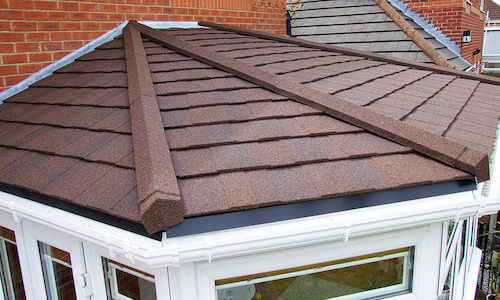
Most of the time, you do not need planning permission if you want to change your conservatory roof as long as you follow permitted development rules. But, if you change your old glass roof to a solid roof, like a tiled one, the room counts as an extension. Because of this, the work must meet building regulations about how much heat it uses and how the structure is built.
What Happens If I Build a Conservatory Without Planning Permission?
If you build a conservatory that needs planning permission and do not get it first, the local authority can send you an enforcement notice. You may then have to change the building work or take it down. You can try to get planning permission later by making retrospective applications, but the local authority may not approve it. This can make the process costly and risky.
Are There Different Rules for Rear and Side Conservatories?
Yes, permitted development rules do change when you build on the back or the side of the original house. Rear extensions often let you make a bigger space. But, side extensions or conservatories built on the side of the original house must not be wider than half the width of your house. In some areas, these side extensions are not allowed at all.
How Do Modern Home Extensions Affect Planning Permission for Conservatories?
If you have added to your property before, those previous extensions will count towards your permitted development space. The total floor area of all these extensions, and your new conservatory, cannot be more than 50% of the land around the original house. This rule is important when you think about planning permission.
Are you interested in improving your home? Get in touch with Renaissance Conservatories, your local conservatory specialists today!
Get a FREE quote today