
For years, and despite their huge popularity in the UK, conservatories earned a reputation for being difficult to live with – too hot in summer, too cold in winter and costly to heat in between. In a county like Devon, where weather conditions can shift quickly and sunshine often arrives with a chill, those weaknesses are felt even more sharply.
However, advances in glazing technology have changed all that. Today, energy-efficient glass for conservatories allows homeowners to enjoy a genuinely comfortable living space throughout the year, with glazing that actively manages heat transfer, reduces heat loss and delivers long-term energy savings without compromising natural light or views of the garden.
Why energy-efficient glass matters
A conservatory’s glass, particularly in a glass roof system, plays a major role in how comfortable the space feels. Poor glazing lets a significant amount of heat escape, causing higher energy bills, reliance on additional heating and fluctuating temperatures during colder months or extreme weather conditions. Choosing efficient glass helps maintain a comfortable temperature all year, supporting better temperature control, lower energy costs and a warmer, more usable conservatory space.
Key types of energy-efficient glass
Low-emissivity (Low-E) glass uses special coatings to reflect heat back into the conservatory while still letting natural light in. This improves thermal insulation, reduces heat loss and helps maintain a comfortable temperature during winter without affecting views of your garden.
Solar control glass is particularly effective for glass conservatory roofs exposed to strong sunlight. Its solar control properties reduce heat gain in summer, helping to keep the space cooler without the need for additional measures such as blinds or electric heaters.
Double glazing has become a standard choice for modern conservatories. Two panes of glass separated by an air or inert gas gap reduce heat transfer, improving thermal efficiency and lowering energy bills.
Glass versus polycarbonate roofs
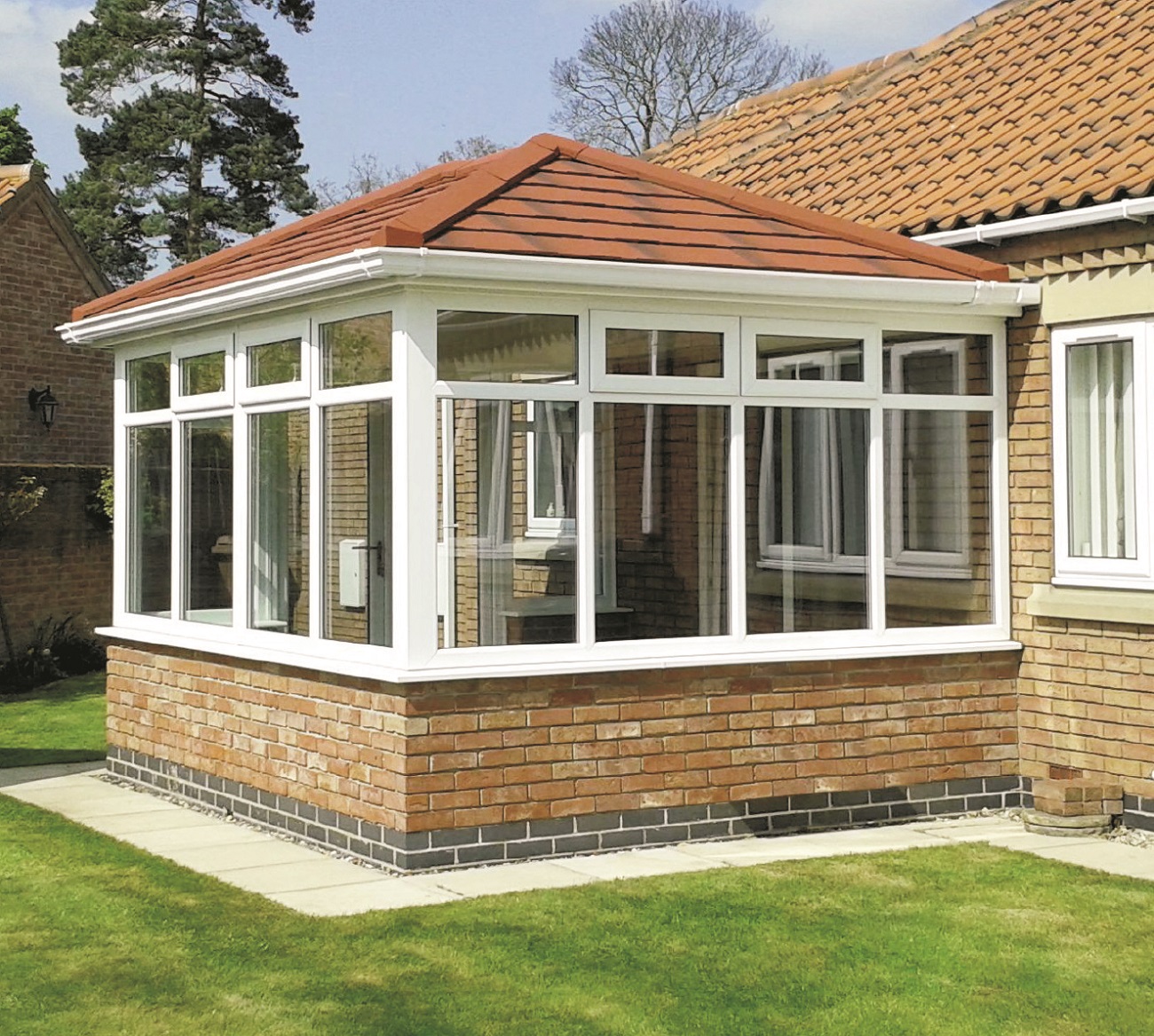
While polycarbonate roofing is more budget-friendly, it can’t match the thermal efficiency or long-term energy savings of glass. In contrast, modern roof glass with solar control or Low-E coatings provides better thermal insulation, aesthetic appeal and a more comfortable living environment, making it the perfect choice for new conservatories or conservatory roof replacements in Devon homes.
Cost and long-term benefits
Reduced heat loss and better thermal insulation lower reliance on central heating systems and electric heaters, delivering meaningful energy savings over time. A conservatory that is comfortable in every season also adds value to your property and appeals to potential buyers seeking a practical, low-maintenance extension.
Sustainability and everyday comfort
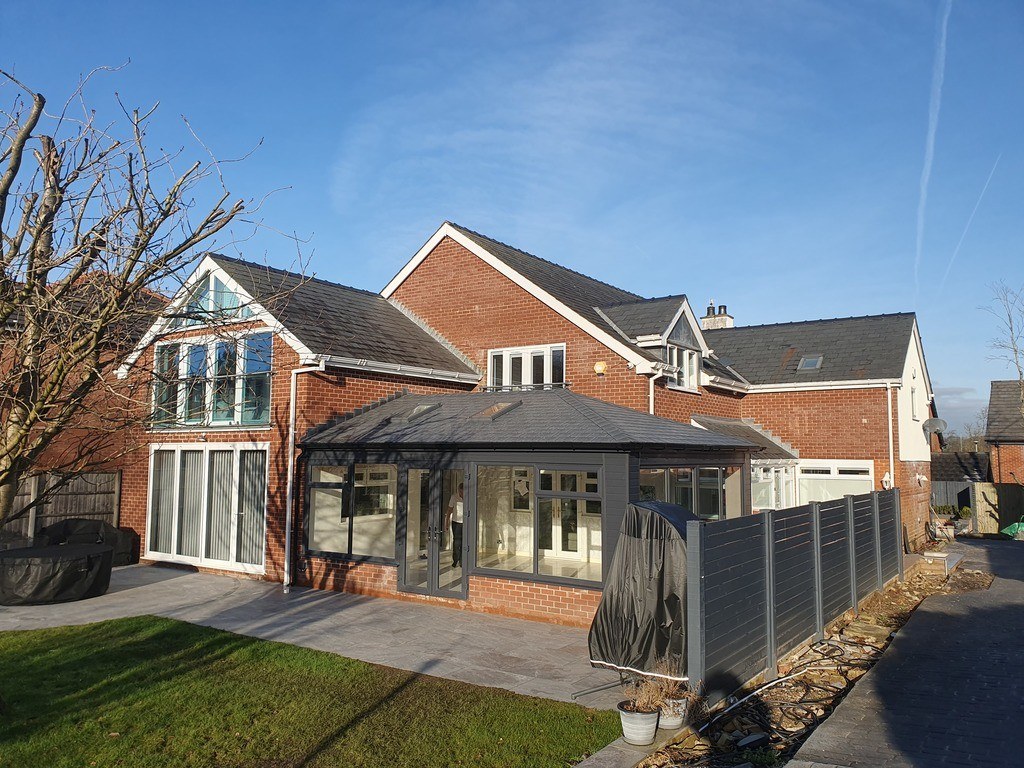
Energy-efficient glass helps reduce your carbon footprint by requiring less energy to heat or cool the space. Many modern options feature self-clean coatings, minimising maintenance and keeping the glass looking clear with less frequent cleaning. When combined with roof vents and thoughtful ventilation, efficient glazing ensures a healthy, comfortable environment all year round.
Making an informed choice
The best energy-efficient glass depends on your specific needs, budget and how you intend to use your conservatory. Considering thermal performance, energy efficiency and long-term durability will help you make an informed decision.
For Devon homeowners seeking a warm and sustainable conservatory, Renaissance Conservatories can advise on the right glass options. Use our online contact form to explore glazing solutions designed to deliver comfort, style and lasting value
Are you interested in improving your home? Get in touch with Renaissance Conservatories, your local conservatory specialists today!
Get a FREE quote today